
Estimated driverless weight
Rice University · Solar racing
1500 mileson sunlight
Introducing Rice’s first American Solar Challenge car—and the team needed to take it racing, both cross-country and on track.
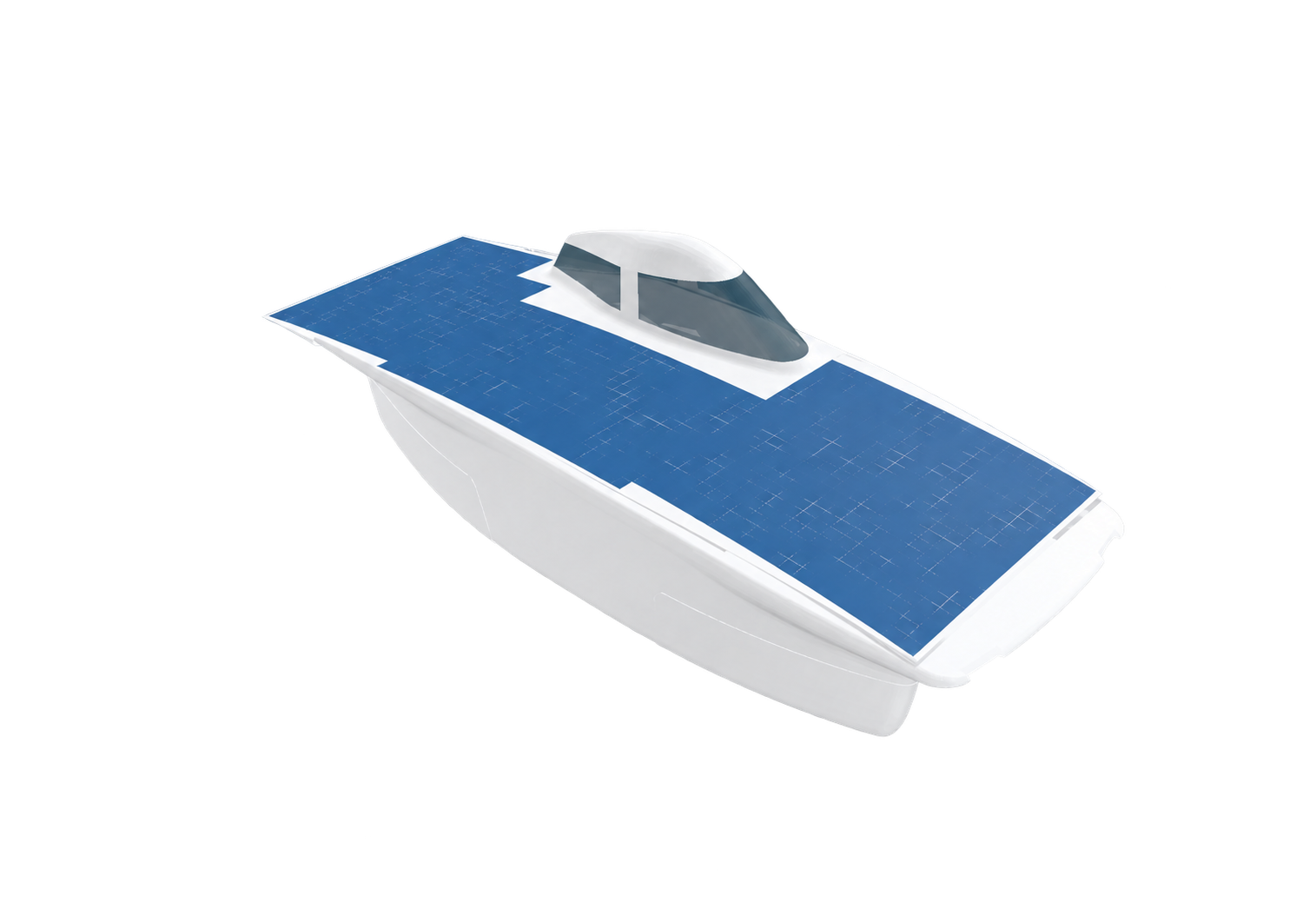
Loading interactive Carrera model…
Drag or arrow keys to rotate
Key specifications
Array power
Simulated top speed
Motor + inverter efficiency
Rice Electric Vehicle
Who are we?
We are a student-led team at Rice University building the engineering skill, operational discipline, and community needed to race a solar car.
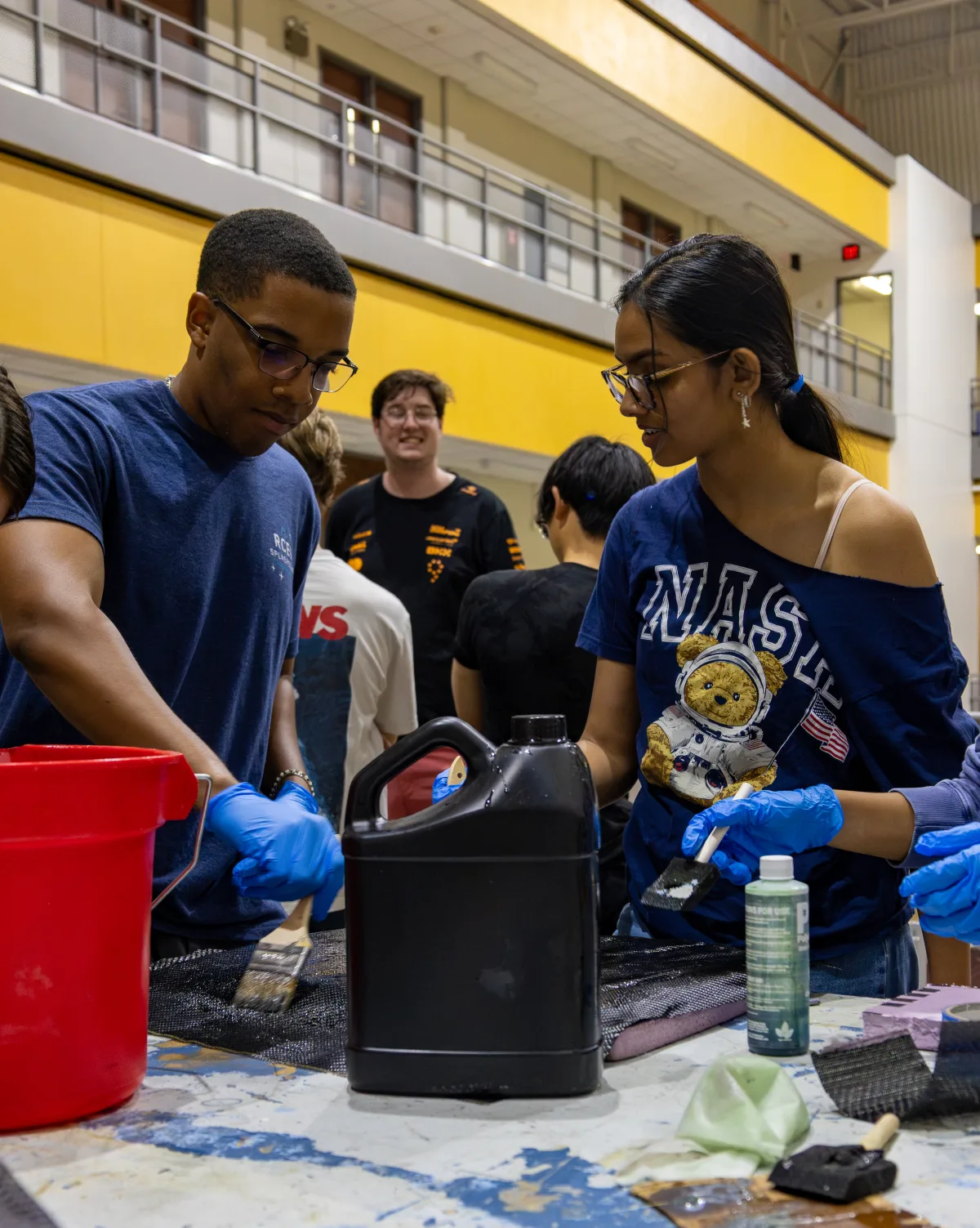
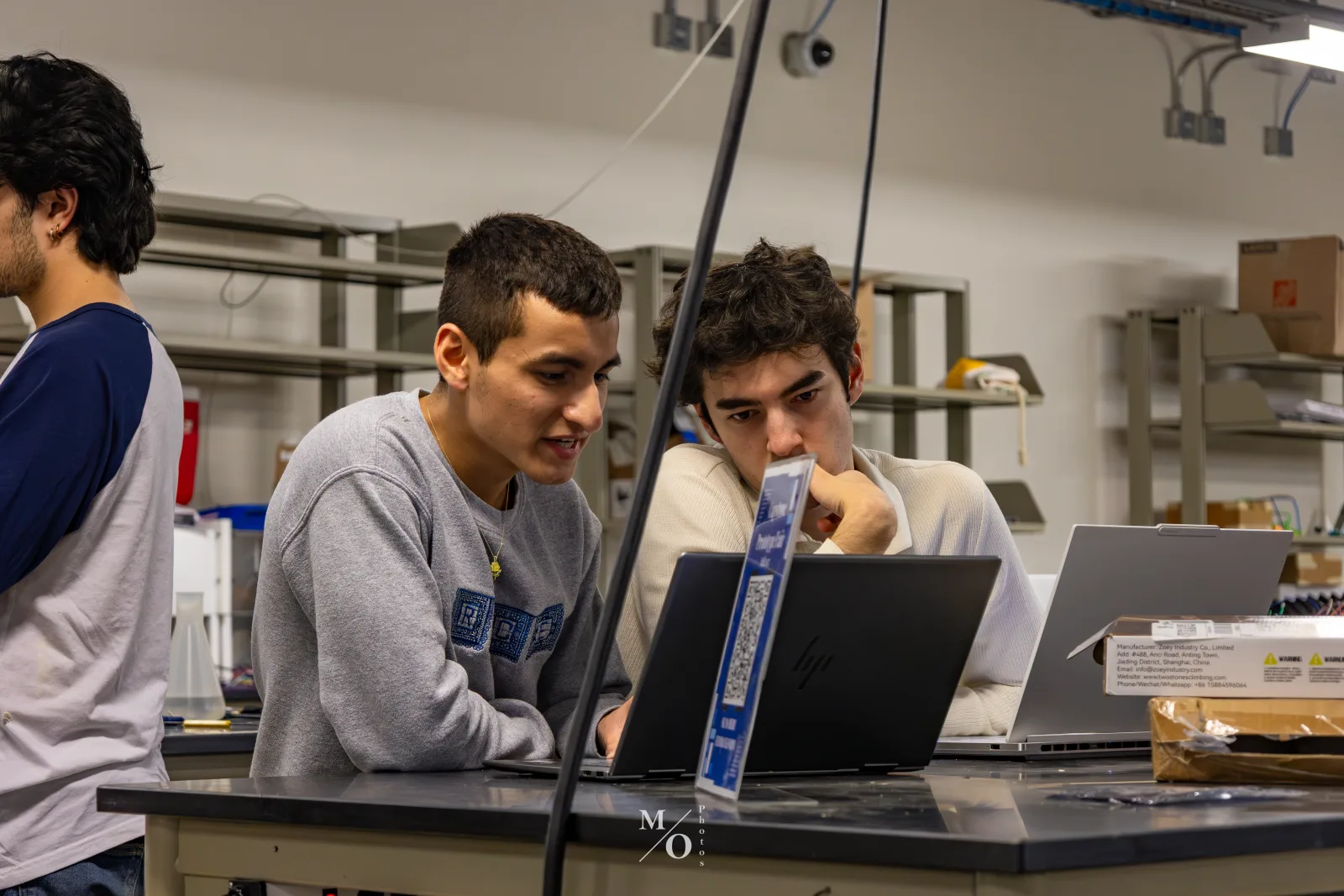
As an engineering design project and a student-run racing team, our goal is to give Rice students access to one of the most rewarding collegiate competitions for the first time. Our members design, build, and validate every system on the car using industry-standard tools and analysis. We connect our members with careers in industry while pushing the boundaries of what current technology can achieve.
Meet the team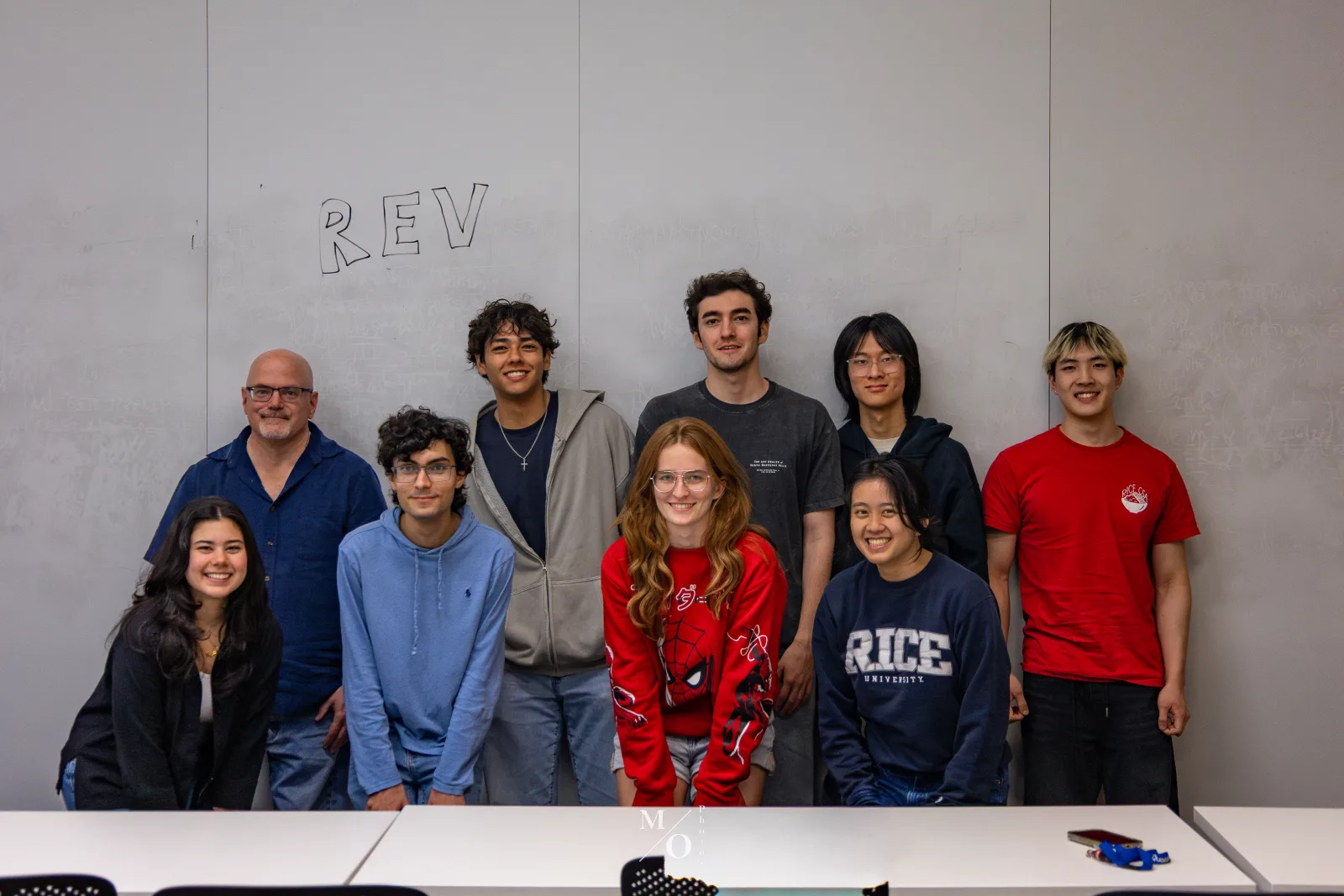
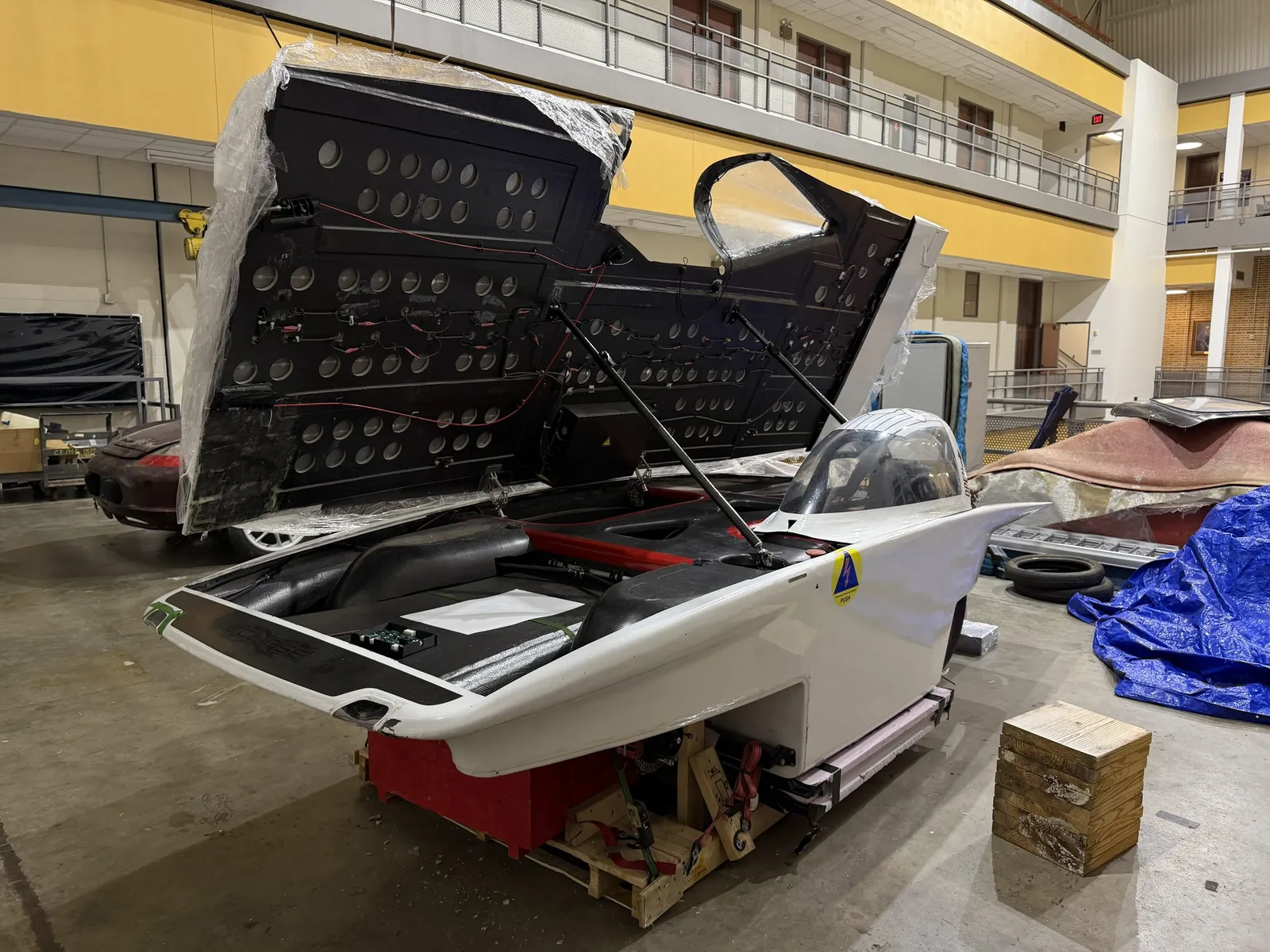
The road ahead
Our Challenge;
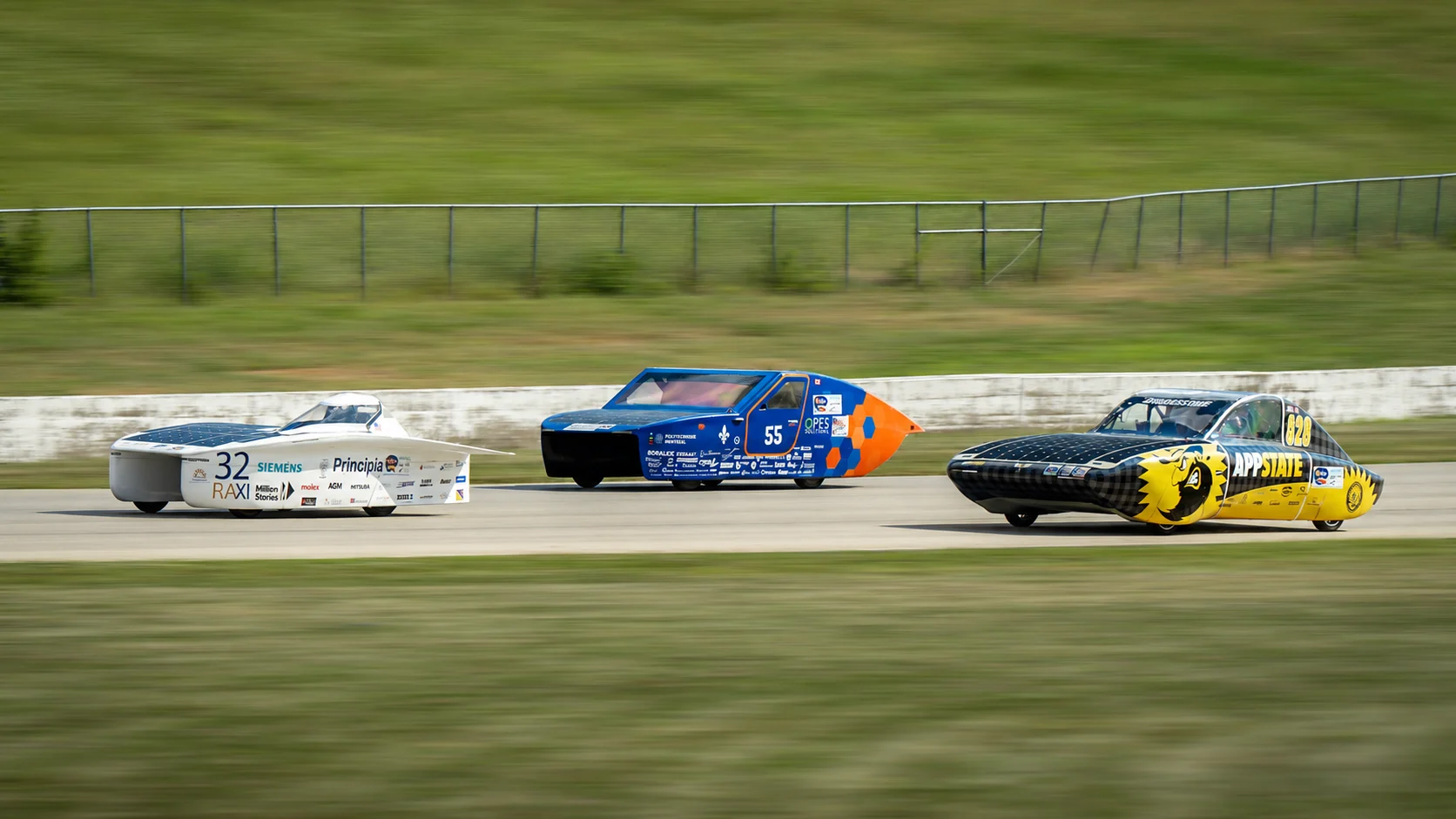
The Formula Sun Grand Prix (FSGP) is an annual closed-course competition that tests solar car handling, braking, acceleration, and reliability — and serves as the qualifier for the American Solar Challenge.
The American Solar Challenge (ASC) is a multi-day, 1,500–2,000 mile cross-country endurance competition for collegiate solar car teams from around the world.
Made possible by your support
A special thank you to our first partners

 Shannon Caraway
FAQ
Frequently asked questions.
Carrera
Go to Carrera pageWhat happens under a cloud or without sunlight?
That’s what the battery is for: the battery stores energy collected by the array, so the motor does not depend on direct sunlight at every moment.
How fast can it go?
About 70–80 mph according to aerodynamic simulations and our motor’s characteristics. Another important way of looking at it is “how fast can it go on solar power alone?” We’re hoping for that to be >35 mph during testing.
What is a monocoque?
A monocoque combines both the vehicle’s aerodynamic shell and structural chassis as a load-bearing structure. It’s enabled by carbon fiber composites that can be formed into an aerodynamic shape using molds. Similar to Formula 1 and hypercars, Carrera’s carbon-fiber design helps reduce mass while supporting the systems inside.
What does it take to drive the car?
With on-track wheel-to-wheel racing, drivers will be competing on real race circuits, overtaking opponents, and maximizing their use of energy to defend their position while also getting to know the car during our testing phase. Understanding racing strategy like following the racing line and applying power at just the right moment after a corner exit actually goes hand in hand with maximizing efficiency. Interested in driving?
How does FSGP connect to the American Solar Challenge?
Formula Sun Grand Prix (FSGP) is the track event and serves as the qualifier for the American Solar Challenge (ASC), the cross-country endurance event which will be held in 2028. We’re optimizing our car for track racing in 2027, and planning to use what we learn to upgrade it for cross-country racing in 2028.
Join
Go to Join pageWho can join REV?
Rice undergraduate and graduate students across all majors are welcome. Engineering, business, operations, media, and marketing all contribute to the program.
Do I need experience with cars or engineering?
No prior solar car experience is needed to apply as a member. Bring curiosity, a willingness to learn, and an interest in contributing.
How much time should I expect to commit?
Expect 1-2 weekly team meetings and time to work on projects. Membership commitments are flexible, and you’ll get out as much as you put in. Connect with a team lead or contact us to discuss projects that fit your goals.
What if I’m not sure which team to join?
Fill out the member application to view in-depth descriptions of each team. You’ll mark which subteams interest you, but members can explore opportunities in any subteam and be assigned projects by leads subject to availability.
What happens after I apply?
The team will follow up to provide onboarding information. Attend your first subteam meeting to ask any questions and get started! All-team general body meetings occur once a month and are a good way to get caught up.
Leads will receive a decision on their application by .
Sponsors
Go to Sponsors pageCan I have the car at my event?
We’ll do our best to accommodate an event at Rice. Contact us regarding using the car for events off campus as a sponsor—we offer car and team-representative appearances through our Founding sponsorship tier. We’ll work with you on scheduling, transport, and what’s possible at Carrera’s current stage of development.
Can we contribute parts or services instead of funding?
Absolutely. We welcome conversations about materials, components, software, equipment, and manufacturing services. Share what you can provide so we can check it against current needs and discuss how it fits into a sponsorship.
What would our support help pay for?
Support helps students build and test Carrera, source components and materials, and fund competition travel, entry fees, insurance costs, and logistics. View our sponsorship packet or contact us for the current needs list or to discuss supporting a specific part of the project.
What recognition and benefits are available?
The sponsorship packet (PDF, new tab) outlines Bronze, Silver, Gold, and Founding tiers. Depending on the tier, opportunities include recognition, logos on the car or team apparel, social features, recruiting resources, product testing and feedback, engagement with students, and more. Tiers are flexible, and we’ll confirm the details of your partnership together.
Can we meet students or share technical expertise?
We’d love to discuss technical talks, design feedback, mentoring, or a visit with the team. The packet also describes recruiting opportunities by tier. Contact us with your interests so we can find a format that works for both sides.
Can alumni and individuals support REV?
Certainly. Individual supporters can also receive their name on the car, our newsletter, and tax deductions for their donations. You can also help through expertise or introductions. Get in touch and we’ll help you find a way to contribute. We can also arrange in person meetings and a quick garage tour for individuals in the Houston area.
Can we tailor a sponsorship to our organization?
The packet’s tiers are a starting point for a conversation. Tell us what matters to your organization (student engagement, a particular technology, or supporting the build) and we’ll explore a partnership that fits.
How do we get started?
Read the information packet, then contact us with your name or organization’s name, the kind of support you’re considering, and any goals or timing you have in mind. We’ll discuss current needs and the next steps together.